
Recreational fentanyl use has become a massive public health crisis. This guide explores why it happens, the extreme risks involved, and how to stay safe.
Understanding the Recreational Use of Fentanyl
The world of substance use has changed. Synthetic opioids are everywhere now, and the recreational use of fentanyl is at the heart of this dangerous shift. Fentanyl was once a tool just for doctors to help people with serious pain. But because it is so strong and actually fairly easy to make, it has moved into the illicit market. If we want to stop this crisis, we have to understand what makes people use it and why it is so deadly.
Drivers Behind the Recreational Use of Fentanyl
People often seek out fentanyl for its intense effects. They are usually looking for a deep feeling of euphoria, strong pain relief, or a way to get over opioid withdrawal fast. Since fentanyl is 50 to 100 times stronger than morphine, even a tiny bit has a huge impact on the brain. That is why some people use it to boost the effects of other drugs or to cope with heavy stress.
But there is a darker side. Illicit markets are flooding the streets with counterfeit pills or mixing fentanyl into heroin and stimulants. Some people do not even know they are taking it. Others might look for it because they think it will make their other substances—like alcohol or benzodiazepines—more powerful. This kind of mixing is a major reason why overdose numbers are climbing; because the drug is so strong, it is almost impossible to know the right dose (Source: https://nida.nih.gov/research-topics/fentanyl).
The Severe Risks and Health Impacts
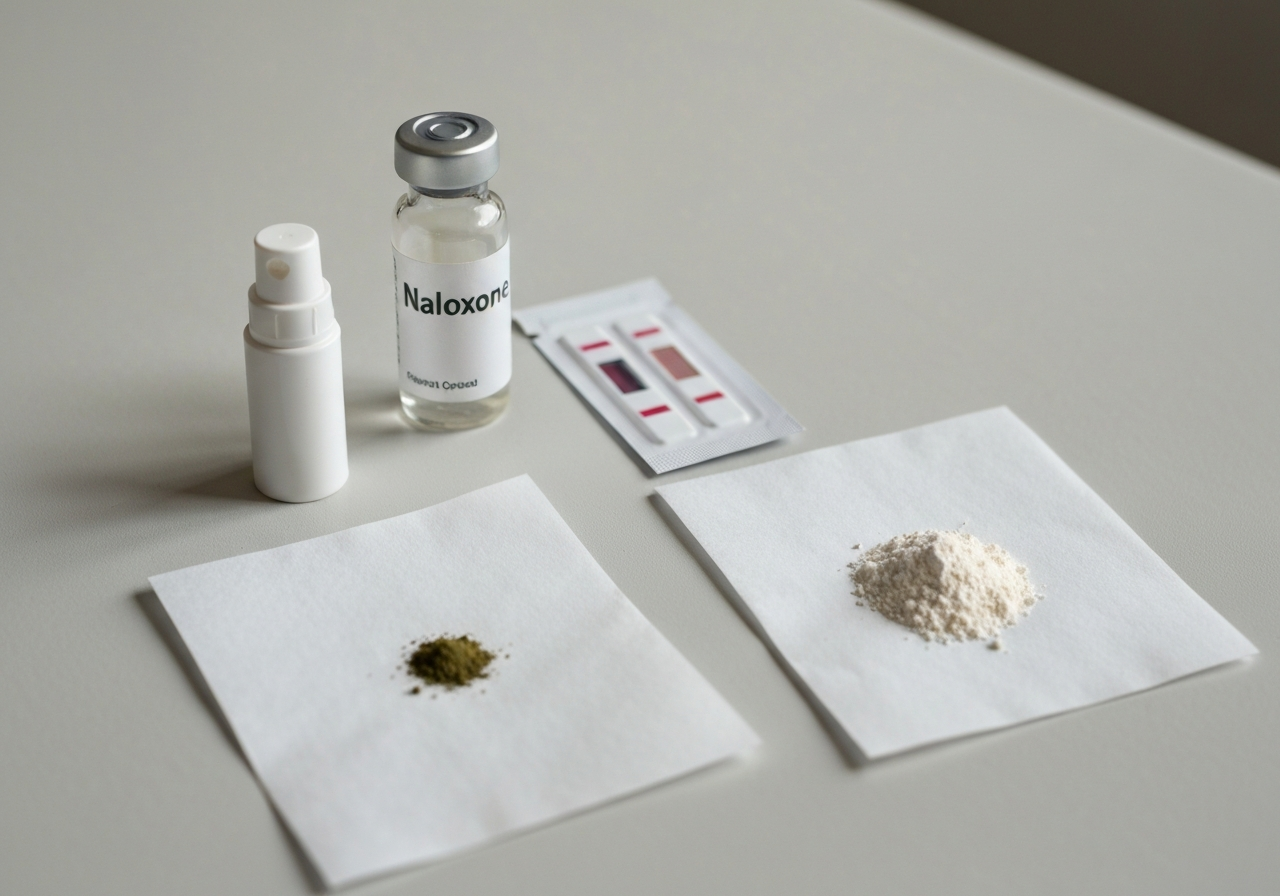
The biggest risk here is a fatal overdose. Fentanyl works by slowing down your breathing, and it can do this so fast that you might stop breathing within just a few minutes of taking it. You have to understand that as little as 2 milligrams—which is basically a few grains of sand—can be enough to kill an average adult (Source: https://www.canada.ca/en/health-canada/services/substance-use/controlled-illegal-drugs/fentanyl.html).
Physical and Mental Health Consequences
It is not just about the risk of death. Even if someone survives, fentanyl hits the body hard. You might notice extreme sleepiness, feeling sick to your stomach, vomiting, or small pupils. Over time, long-term use leads to serious issues like ongoing constipation, nutritional problems, and hormone imbalances. Many people also struggle with mental health, including deep depression, trouble thinking clearly, and full-blown substance use disorder (Source: https://www.canada.ca/en/health-canada/services/substance-use/controlled-illegal-drugs/fentanyl.html).
The Danger of Adulterants
Things get even worse when other chemicals are added to the mix. Often, the supply is tainted with substances like xylazine, a tranquilizer used for animals. When someone takes fentanyl mixed with xylazine, it can cause horrible skin sores and deep wounds that do not heal. Plus, xylazine makes it harder to use naloxone—which is the medicine that reverses opioid overdoses—to save someone’s life (Source: https://www.oregon.gov/oha/ph/preventionwellness/substanceuse/opioids/pages/fentanylfacts.aspx).
Escalating Overdose Trends
The data is truly shocking. We are seeing a massive spike in deaths linked to this drug. Back in 2018, there were around 31,335 fentanyl-related overdose deaths in the U.S. By 2023, that number jumped to nearly 73,000. It is a terrifying trend, especially among younger people who are increasingly affected by this crisis (Source: https://drugabusestatistics.org/fentanyl-abuse-statistics/).
As Dr. Nora Volkow from NIDA has noted, “The illicit drug supply is more dangerous than ever due to the unpredictable presence of synthetic opioids.” Because fentanyl is now the most common cause of drug-related deaths, health experts are pushing for better harm reduction. This includes always having naloxone on hand and using test strips to check for fentanyl in other drugs before taking them (Source: https://www.cdc.gov/stop-overdose/caring/fentanyl-facts.html).
To conclude, fentanyl is incredibly risky. If you or someone you know is struggling, help is available. Carrying naloxone and using safety tools can save lives. Please reach out to local health resources to find support and learn more about staying safe in a dangerous landscape.
References
Canada.ca. (2024). Fentanyl. https://www.canada.ca/en/health-canada/services/substance-use/controlled-illegal-drugs/fentanyl.html
Centers for Disease Control and Prevention. (2024). Fentanyl Facts. https://www.cdc.gov/stop-overdose/caring/fentanyl-facts.html
DrugAbuseStatistics.org. (2025). Fentanyl Abuse Statistics [2025]: Overdose, Deaths & More. https://drugabusestatistics.org/fentanyl-abuse-statistics/
Kaiser Family Foundation. (2024). Teens, Drugs, and Overdose: Contrasting Pre-Pandemic and Current Trends. https://www.kff.org/mental-health/teens-drugs-and-overdose-contrasting-pre-pandemic-and-current-trends/
National Institute on Drug Abuse. (2024). Fentanyl. https://nida.nih.gov/research-topics/fentanyl
Oregon Health Authority. (2024). Fentanyl: Opioid Overdose and Misuse. https://www.oregon.gov/oha/ph/preventionwellness/substanceuse/opioids/pages/fentanylfacts.aspx
Yale Medicine. (2024). Why Is Fentanyl Driving Overdose Deaths?. https://www.yalemedicine.org/news/fentanyl-driving-overdoses