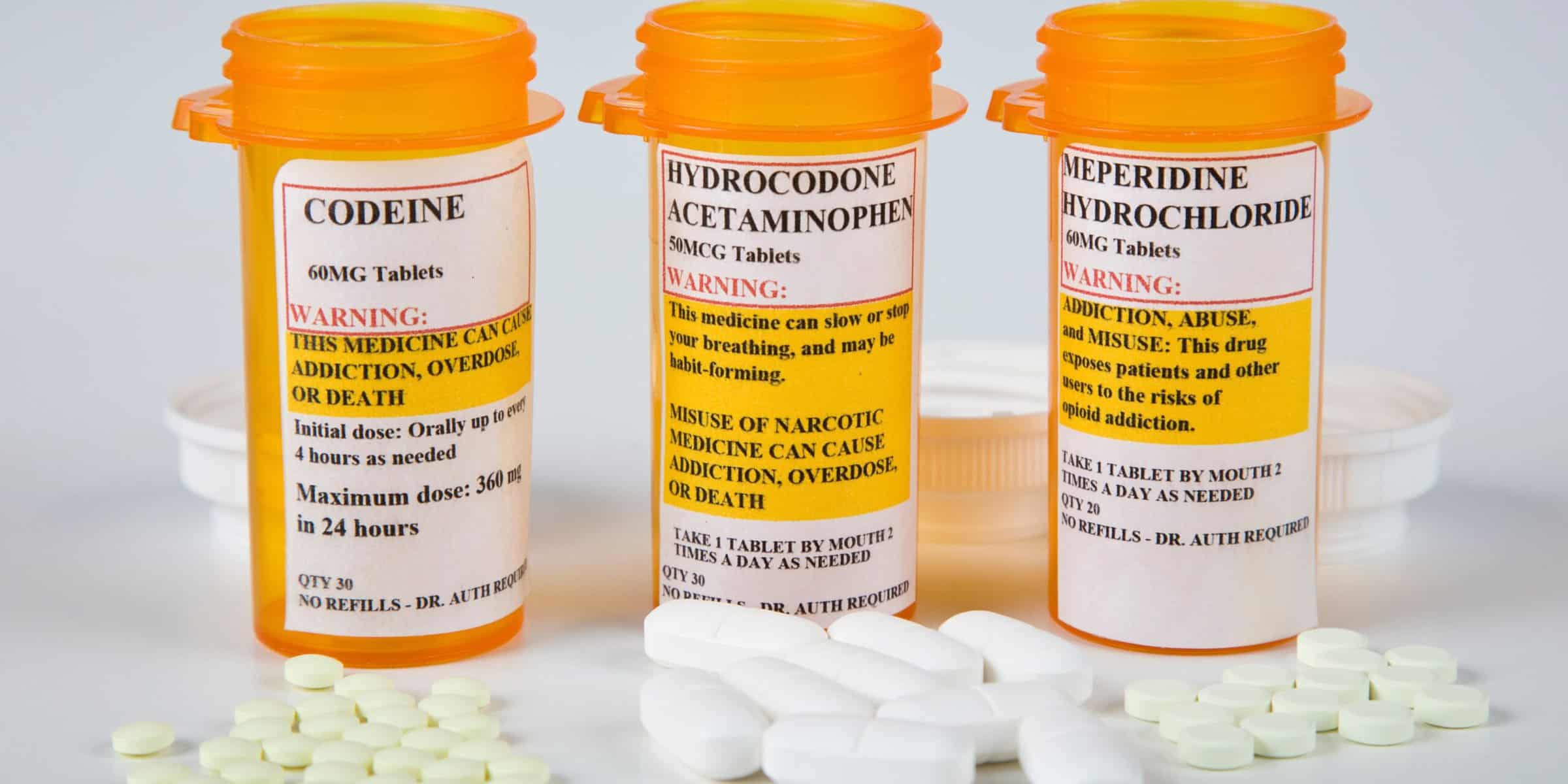
Knowing how long hydrocodone stays in your system is key if you are managing pain. This drug, often paired with acetaminophen, needs careful, well-informed monitoring.
Understanding the timeline for how long hydrocodone stays in your system is vital for patients using this opioid for pain. It is a semi-synthetic substance commonly prescribed to address moderate to severe discomfort. Because it is a controlled medication, being aware of its detection window is important for anyone facing medical screenings or worried about possible drug interactions.
The time it takes for your body to clear this medication varies a lot. It depends on your unique metabolism, the dose you take, how often you use it, and your overall physical health.
Detection Windows for Hydrocodone
Hydrocodone does not disappear from your body right when the pain-relieving effects stop. Instead, the drug and its breakdown products, known as metabolites, hang around in your biological samples for different lengths of time.
Urine Testing
Urine testing is the most common way to screen for opioids because it is simple and reliable. For most people, hydrocodone stays in the urine for 2 to 4 days after your last dose. But, this window changes. If you only take it once, it might be gone in 1 to 3 days. However, if you use it regularly or frequently, that window can stretch to 3 to 7 days. Also, remember that your body turns hydrocodone into hydromorphone, which standard drug tests might also pick up.
Blood Testing
Blood tests look at what is currently in your system, so they have a much shorter detection window. Usually, you can find hydrocodone in the blood for up to 24 hours after you take it. In some cases, the drug and its main metabolite, norhydrocodone, might be gone in as little as 9 hours. It is a very fleeting marker.
Saliva Testing
Saliva screenings are often used in workplaces because they are quick and hard to mess with. You can typically detect hydrocodone in saliva for 12 to 36 hours after the last dose. Factors like how well you clean your teeth and the specific dose you took can change the results, but it is generally a short window.
Hair Follicle Testing
Hair testing has the longest reach by far. A standard 1.5-inch hair sample can show drug use from about 90 days back. Because hair grows at different rates for everyone, this test is excellent for spotting long-term habits rather than recent use. Unlike other methods, bleaching or dyeing your hair does not really get rid of the drug traces.
Factors Influencing Detection Times
The timeframes I mentioned above are just guesses. Many things inside your body—and even some outside factors—can change how fast you process hydrocodone:
- Metabolism: If you have a fast metabolism, you will clear the drug quicker than someone with a slower system.
- Liver and Kidney Function: These organs do the heavy lifting of processing and flushing out opioids. If they are not working at full capacity, the drug will stay in your system much longer.
- Frequency and Dosage: Taking high doses or using the medication daily causes it to build up, which means it takes more time to clear out completely.
- Age and Hydration: As we get older, our metabolism tends to slow down. Also, how much water you drink affects the concentration of the drug in your urine.
The half-life of hydrocodone is about 3 to 4 hours. This is the main reason it leaves the blood so fast. But, because tests look for the drug plus its metabolites, the window to “pass” a test is much longer than the half-life might suggest. If you are worried about testing or side effects, speak with your doctor to talk about your specific situation. As many experts note, “The variability in drug metabolism makes individual clearance rates difficult to predict without clinical oversight.”
If you have questions about your specific prescription, do not hesitate to reach out to your healthcare team. They can provide the guidance you need to make a well-informed choice regarding your treatment plan.
References
American Academy of Family Physicians. (2010). Urine Drug Screening: A Valuable Office Procedure. https://www.aafp.org/pubs/afp/issues/2010/0301/p635.html
National Center for Biotechnology Information. (2021). Urine Drug Testing Window of Detection. https://www.ncbi.nlm.nih.gov/books/NBK574915/table/p5.t2/
Ophelia. (2025). How Long Does Hydrocodone Stay in Your System?. https://ophelia.com/blog/how-long-does-hydrocodone-stay-in-the-body
Opus Health. (2025). Hydrocodone in Urine: Detection Time and Key Facts. https://opustreatment.com/blog/hydrocodone-detection-time-in-urine-what-you-need-to-know/
Orlando Recovery Center. (2025). How Long Does Hydrocodone Stay In Urine, Blood, Hair, Saliva?. https://www.orlandorecovery.com/drug-addiction-resources/hydrocodone/how-long-in-system-backup/
Wolf Creek Recovery. (2025). How Long Does Hydrocodone Stay in Your System or Urine?. https://wolfcreekrecovery.com/blog/how-long-does-hydrocodone-stay-in-your-system/