
When you take a common antibiotic, it is usually a routine part of your health care plan, but it is important to stay alert to rare side effects. If you feel strange while taking doxycycline, you should learn about potential doxycycline intracranial hypertension and its early signs. This condition happens when pressure builds inside your skull. While it is rare, knowing these symptoms could save your sight and help your brain health. In this text, we will investigate exactly what this is, the specific signs you must look for, and the best ways to handle it.
Doxycycline-Associated Intracranial Hypertension Explained
Intracranial hypertension from doxycycline is a condition where the antibiotic causes the pressure of the fluid around your brain to rise to high levels. You can think of it as a physical clog in your body’s fluid circulation. This high pressure, also called pseudotumor cerebri, can cause life-altering symptoms [1].
Even though this side effect is rare, it needs fast medical care to stop long-term harm to your brain and eyes [1, 2]. If you think you are noticing intracranial hypertension signs, the most vital first step is to call your doctor and stop taking the medicine as they tell you [3].
Identifying Key Intracranial Hypertension Signs
The main signs of this condition are linked to the rising pressure inside the head. While many people have minor side effects from antibiotics, the specific intracranial hypertension signs to watch for include intense headaches, changing vision, and constant nausea [3]. Seeing these red flags early is vital because they show an issue that needs a quick checkup.
The Nature of Associated Headaches
It is important to tell these apart from normal tension headaches. Headaches tied to doxycycline-induced pressure are usually severe, constant, and often get worse when you move your eyes [3]. People often describe this as a throbbing or heavy pressure that does not go away with standard pain relief. If you have daily, bad headaches while on this medicine, you must get a professional checkup to rule out intracranial issues [3].
Common Visual Disturbances
Visual changes represent the most serious intracranial hypertension signs. You might notice your vision becoming blurry, having double vision (diplopia), or even suffering short moments of vision loss. Some people report seeing flashing lights (photopsia) [3]. A key sign that an eye doctor looks for is papilledema—a swelling of the optic nerve. This swelling happens because of dangerous pressure on the nerves connecting your eyes to your brain and must be treated as a medical emergency [1, 3].
Additional Associated Symptoms
Beyond headaches and vision issues, other intracranial hypertension signs include persistent nausea and vomiting, which are common indicators of increased cranial pressure. Some people also report tinnitus, which is often a rhythmic ringing in the ears that beats with their heart. Reports of neck stiffness or unexplained dizziness are also linked to this condition [3]. When these symptoms happen together, it is a strong signal that the pressure inside your skull has reached dangerous levels [1].
Frequency and Risk Factors
Intracranial hypertension from doxycycline is a rare event. But even with the low frequency, keeping an eye on intracranial hypertension signs is vital for safety. The condition affects both men and women of many ages [1, 3]. Research shows that while obesity in young females is a traditional risk factor for this, doxycycline-linked cases have been seen in a wider range of patients [1, 2]. Using the antibiotic for a long time or taking other medicines that affect cranial pressure can also be factors [3].
Diagnosis and Clinical Treatment
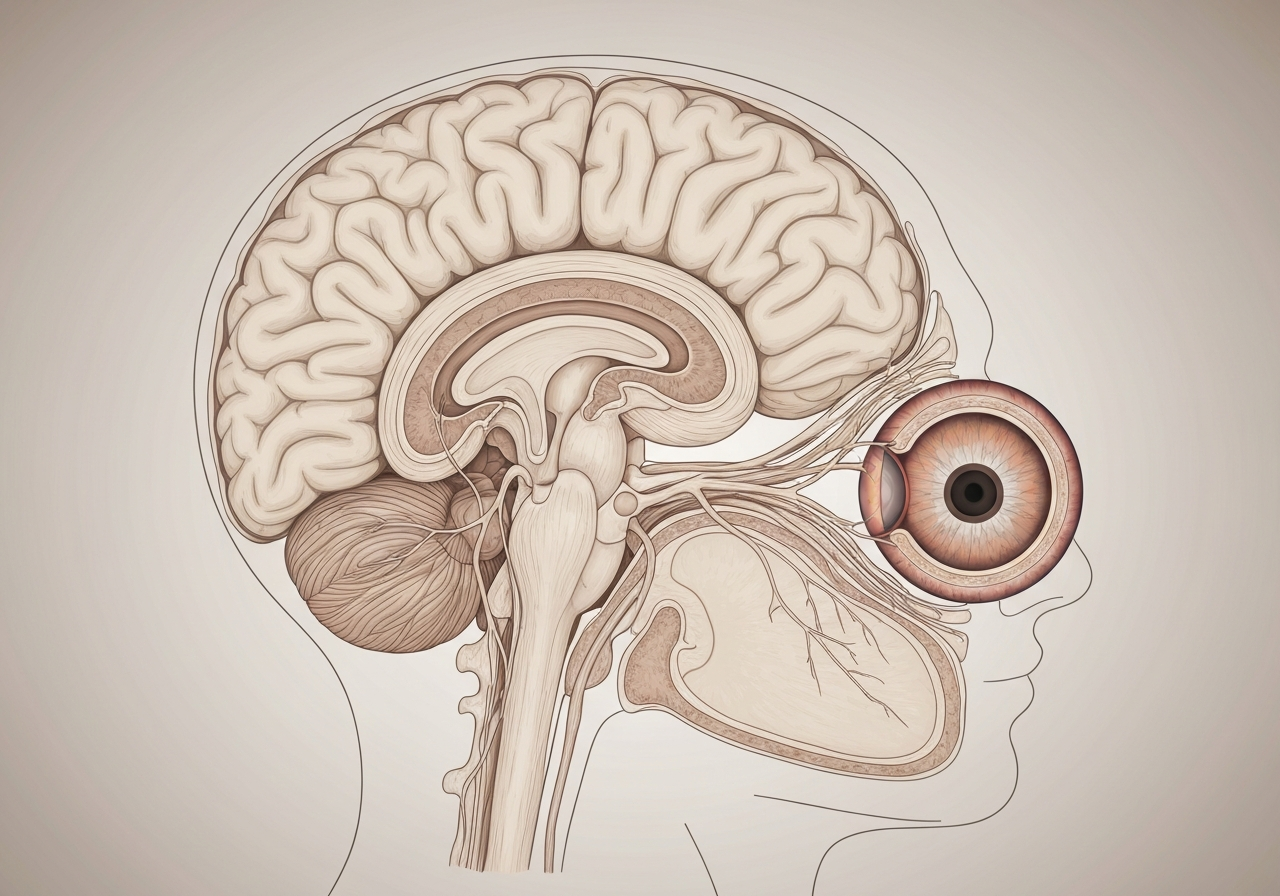
The process of diagnosing this is methodical. Doctors will check your symptoms and do a detailed eye exam to look for papilledema [3]. In many cases, they use brain scans to make sure there are no other structural issues causing the pressure. If needed, a lumbar puncture (spinal tap) might be done to measure the exact pressure of the fluid [3].
Once the doctors confirm the issue, treatment centers on lowering the pressure. Experts agree that the most vital step is the immediate stopping of the drug [1, 3]. For many people, symptoms start to fade soon after stopping the medicine. Doctors may also prescribe supportive treatments, like acetazolamide, which helps reduce the body’s production of spinal fluid, along with pain relief for the headaches [1, 3]. Early action and fast medical help provide an excellent path to a full recovery without long-term brain impact [1].
The Risks of Ignoring Symptoms
Ignoring potential intracranial hypertension signs is risky. If the condition is left alone, the sustained, high pressure can cause permanent damage to the optic nerves, possibly leading to permanent vision loss [1, 2]. Also, people may deal with chronic, bad headaches and other big neurological problems [3]. Because the optic nerves are hit directly by the internal pressure, time is a key factor in stopping lasting harm.
Stay Aware and Act Fast
Stopping long-term complications is mostly about patient education, active monitoring, and clear talk with your medical team. Before beginning a course of doxycycline, discuss the risks with your doctor, mostly if you have a history of headaches or vision issues. While taking it, pay close attention to any new or worsening symptoms. Never ignore small changes in your vision or the intensity of your headaches. If you notice any of these intracranial hypertension signs, reach out to your doctor right away. Prioritizing your health by staying informed is the best way to ensure safety while taking your medicine.
References
Mays, M. A., et al. (2004). Doxycycline and intracranial hypertension. Neurology, 62(12), 2297-2297. https://www.ovid.com/journals/neur/fulltext/10.1212/wnl.62.12.2297~doxycycline-and-intracranial-hypertension
University of Texas Southwestern Medical Center. (2004). Doxycycline and intracranial hypertension. https://utsouthwestern.elsevierpure.com/en/publications/doxycycline-and-intracranial-hypertension
Markey, K. A., et al. (2016). Not so benign intracranial hypertension. Journal of Clinical Neuroscience, 31, 1-7. https://pmc.ncbi.nlm.nih.gov/articles/PMC1125522/