
Educational content only. This article summarizes publicly available information and is not medical advice. If you or someone you love is struggling with substance use, call SAMHSA's free, confidential helpline: 1-800-662-HELP (4357).
In cocaine addiction treatment, contingency management, a behavioral therapy, has been found especially effective at promoting initial abstinence from cocaine¹. Detox, rehab and recovery support are distinct stages of care that serve different purposes.
What cocaine addiction treatment, detox and rehab actually involve
Cocaine addiction treatment is the full course of care for cocaine use disorder, a type of substance use disorder, and detox and rehab are stages within it. Detox, sometimes called cocaine detox treatment, covers the withdrawal period, while rehab is the structured therapy and support that follow in a residential or outpatient setting.
Where a medication exists for a substance use disorder, taking it as prescribed controls withdrawal symptoms and cravings, helps restore balance in brain circuits that addiction has affected, and is not itself addictive².
Outpatient rehab can mean regular office or telehealth visits for counseling, medication support, or both, delivered by primary care providers or substance use specialists².
Cognitive behavioral therapy helps patients recognize the situations in which they are most likely to use cocaine, avoid them, and cope with related problems³.
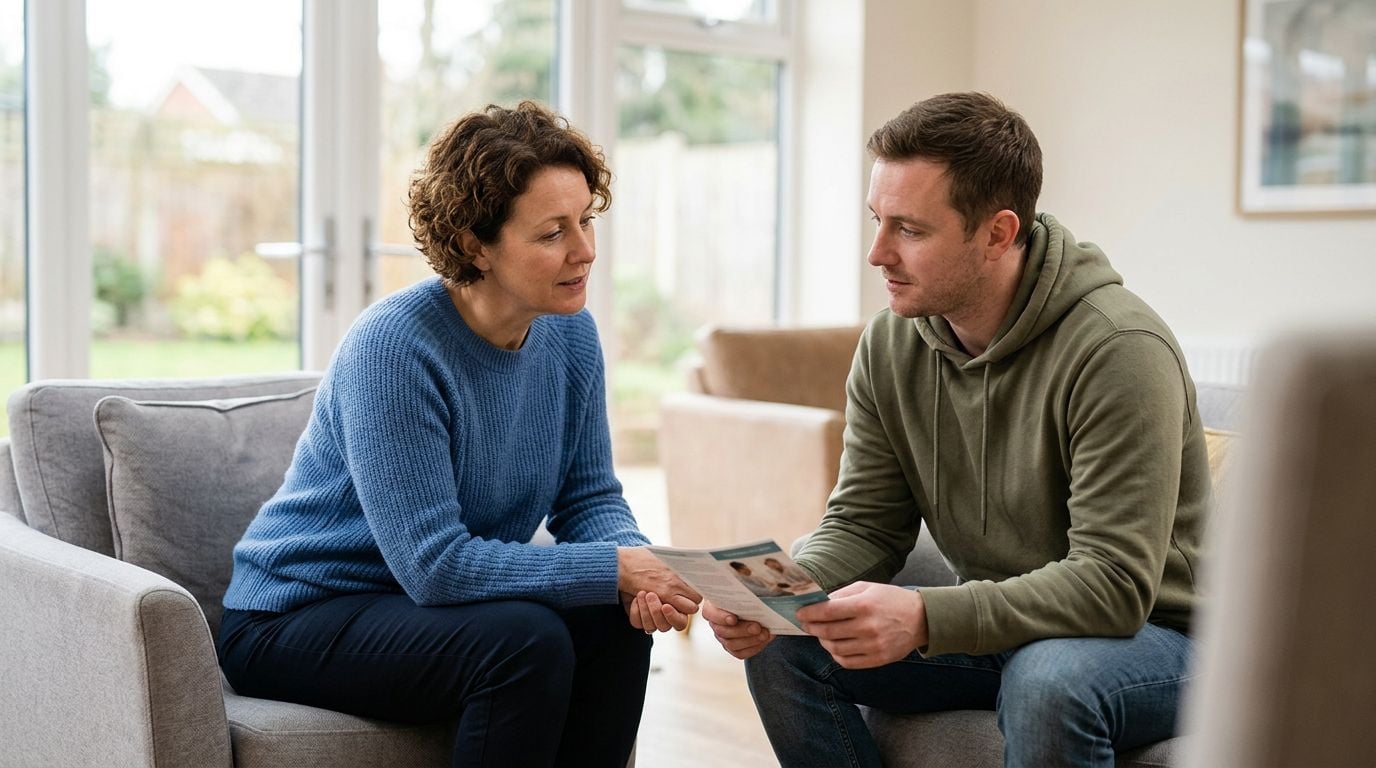
How do you know if professional help is needed for cocaine use
Needing more cocaine, or needing it more often, to get the same effect is one reason to ask a qualified clinician for an evaluation. With regular use, tolerance may develop, so higher doses, more frequent use, or both are needed to produce the same pleasure and relief from withdrawal experienced initially³.
Sensitization can develop alongside tolerance, so that less cocaine produces anxiety, convulsions, or other toxic effects³. Convulsions, chest pain or trouble breathing are emergencies, so call 911 or your local emergency number, and call or text 988 if you are thinking about suicide.
Addiction often overlaps with other mental health conditions, and that link is easy to overlook³. Mention any mental health symptoms during an evaluation, because they can shape which care fits.

What happens during cocaine withdrawal and medical detox
No pharmacological or other biomedical treatment approved by the U.S. Food and Drug Administration eases withdrawal symptoms in people who have recently stopped ongoing use of cocaine or amphetamine-type stimulants⁴.
A 2023 clinical evidence review found that most psychostimulant withdrawal symptoms lessen in intensity over 2 to 3 weeks⁴.
Supervised detox is one part of a larger sequence of care, which generally runs in four steps:
- Assess symptoms, cocaine use history, co-occurring mental health conditions, and urgent safety risks.
- Stabilize withdrawal and any medical or mental health concern needing immediate attention.
- Treat the cocaine use disorder with an individualized care plan.
- Aftercare planning sets up continuing care, follow-up, and relapse prevention.
What rehab options exist after detox, from residential to outpatient care
Rehab after detox can be residential, which means live-in care, or outpatient, which means visit-based care at varying intensity.
Both inpatient cocaine detox and residential rehab take place in live-in settings, but residential programs are the ones that provide extended care, usually for a few weeks to a few months, and longer stays are also available².
Intensity matters within outpatient care, because clinical trials suggest that multiple sessions per week are more effective than one session per week¹. An intensive outpatient program for cocaine addiction is one example of the higher-intensity end of that range.
A qualified clinician helps you choose among these settings after an assessment of your needs.
How long does cocaine addiction treatment typically take
NIDA’s 2022 research guide reports that most people with an addiction need at least 3 months in treatment to significantly reduce or stop their drug use, and that the best outcomes come with longer treatment⁵. That finding covers drug addiction treatment in general, not cocaine alone.
A clinician sets the length of your plan after an assessment, so a day count promised to everyone deserves caution. Active treatment and aftercare are separate phases, and the 3-month figure describes time in treatment, not the full length of recovery.
Which therapies and medications have evidence behind them for cocaine use disorder
Contingency management, which uses small incentives such as prizes or gift cards to reward drug-free behavior, has been shown to be especially effective for addiction to stimulants like cocaine and methamphetamine².
Standard treatment for cocaine use disorder has limits, since it has been associated with high dropout rates and many patients do not reach substantial periods of abstinence¹.
Animal research on how chronic cocaine exposure alters glutamate signaling in the brain’s reward pathway suggests the glutamate system may be a target for future addiction medications, but no treatment based on it is available today³.
NIDA also supports research on new medications, brain stimulation, and psychotherapies, including psilocybin and ketamine therapies, with some evidence that these drugs may support addiction recovery in clinical settings alongside psychotherapy, though this remains research rather than standard practice².
What does recovery and aftercare look like after cocaine addiction treatment
Recovery is managed over time rather than finished at discharge. Successful addiction treatment typically requires continual evaluation and modification, similar to the approach taken for other chronic diseases⁵.
A return to use does not mean treatment has failed, and programs often need multiple episodes of treatment and readmission of patients who have relapsed⁵.
Residential programs may also provide access to mutual support groups and referrals to continuing care upon discharge².
How to decide on next steps for cocaine addiction treatment
SAMHSA’s treatment resource directs people seeking help to a health care professional or a community-based program, with information on treatment options, including medications, and recovery support⁶.
If detox is offered alone, ask what follows it. Bring questions like these to any qualified clinician or program:
- How will you assess my cocaine use and any co-occurring mental health conditions?
- Which behavioral therapies, including contingency management, do you use?
- Would outpatient treatment for cocaine addiction fit me, or is residential care better?
- Is any medication for cocaine addiction appropriate for me, and what are its side effects?
- How will aftercare and relapse prevention be planned?
Sources
- PubMed Central. (2019). The treatment of cocaine use disorder. PubMed Central, October 2019 review article on cocaine use disorder treatment.
- National Institute on Drug Abuse (NIDA). (July 20, 2022). Treatment. National Institute on Drug Abuse, National Institutes of Health.
- National Institute on Drug Abuse (NIDA). (March 7, 2024). Cocaine. National Institute on Drug Abuse, National Institutes of Health.
- PubMed Central. (n.d.). Clinical management of psychostimulant withdrawal: review of the evidence. PubMed Central, April 2023.
- NIDA. (July 19, 2022). Principles of Drug Addiction: A Research-Based Guide (Third Edition). National Institute on Drug Abuse, National Institutes of Health.
- SAMHSA. (July 9, 2026). Substance use disorder treatment. Substance Abuse and Mental Health Services Administration.
Frequently asked questions
Can outpatient treatment for cocaine use be done through telehealth or with a primary care provider?
Yes. Outpatient substance use care can be delivered through telehealth or at an office, and your provider might be a primary care clinician or a substance use specialist. Visits may center on counseling, medication support, or a mix of the two.
Medical Notice: This article is for general informational purposes only and is not a substitute for professional medical advice, diagnosis, or treatment. Get help now: SAMHSA National Helpline: 1-800-662-4357. 988 Suicide & Crisis Lifeline: call or text 988. Emergency: call 911.
About this article
This article is an educational summary written by the Drug Detox and Rehab editorial team. It is not medical advice. The information above was researched from the listed references.