
Understanding GHB effects on the brain is vital, as this potent central nervous system depressant poses severe risks for addiction, cognitive decline, and lasting neurological harm.
Understanding GHB as a Substance
GHB is a chemical substance acting as a powerful central nervous system depressant. It often appears as an odorless, clear liquid or a white, crystalline powder, which can make it easy to hide. Because of its high potential for misuse, significant health risks, and lack of widely accepted medical use, authorities list it as a Schedule I controlled substance in the U.S. and many other regions.
While some people misuse this drug in social settings, the physical outcomes are often grim. It triggers rapid drowsiness, dizziness, and a major loss of motor control. In extreme cases, swallowing it can cause a coma, respiratory failure, or even death.
How GHB Changes Brain Function
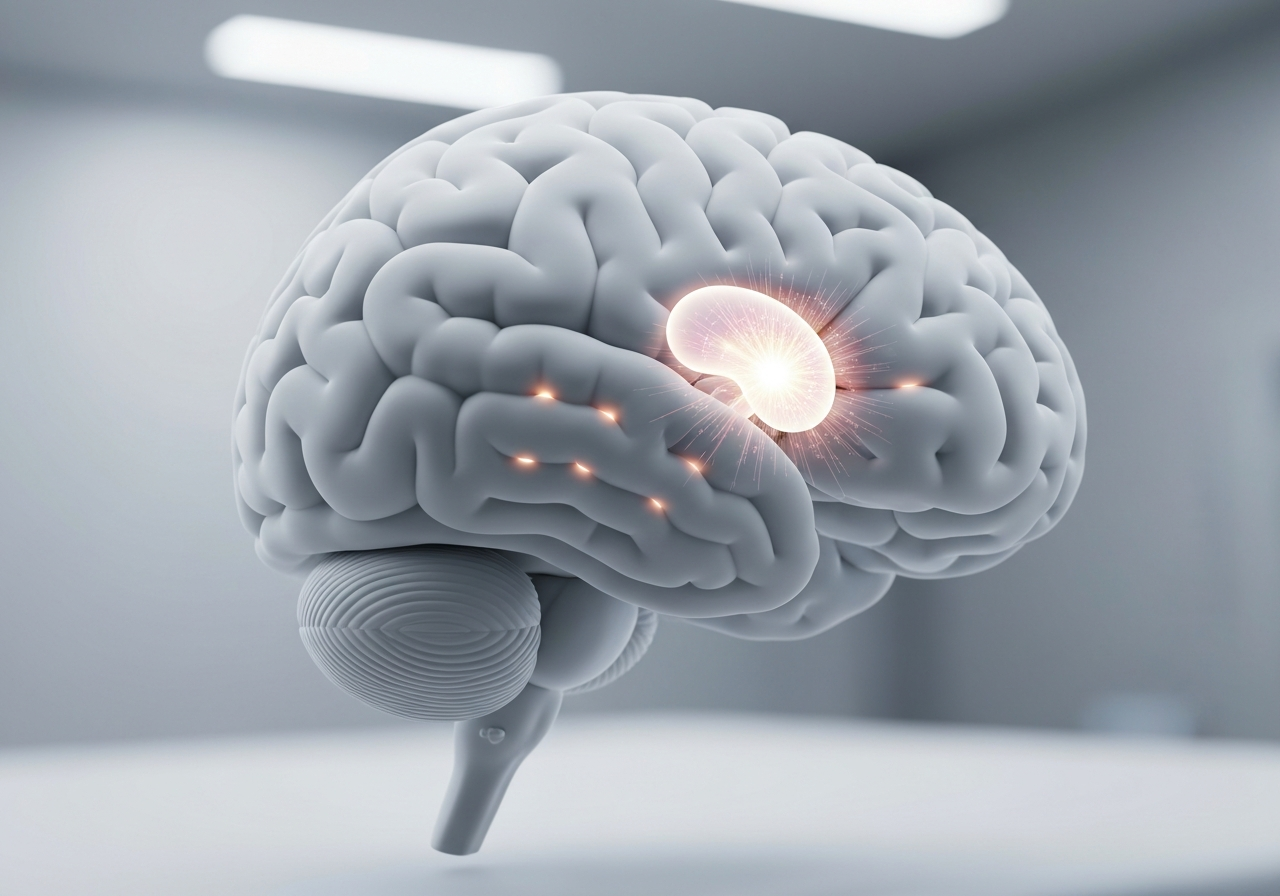
The impact of GHB effects on the brain happens through complex connections with neurotransmitter systems. It acts as an agonist at certain GHB receptors and boosts inhibitory GABAergic transmission, often acting as a precursor to GABA (PubMed, 2004).
Additionally, it tweaks dopamine release. By triggering GABA_B receptors in dopaminergic pathways, it leads to a sudden rush of dopamine, which explains the initial euphoria users often report. But, this is a risky way to mess with brain chemistry. Once the drug enters the system, it binds to these receptors to suppress neural activity. Though it might feel like relaxation at first, higher doses quickly lead to confusion, deep sedation, and loss of consciousness. Repeated exposure to these chemical swings can lead to intense dependence and harsh withdrawal symptoms once the drug is stopped.
Short-Term Effects on the Brain
In the immediate term, the drug acts to suppress the central nervous system. Users usually feel a sudden onset of drowsiness, deep confusion, lost motor control, and gaps in memory. Because it slows the nervous system, it also drags down vital functions, which can cause dangerous drops in heart rate and breathing. Other immediate effects include nausea, excessive sweating, dizziness, and sometimes hallucinations. These effects vary a lot based on the person and the dose, which is often hard to predict.
Long-Term Effects on the Brain
Newer research shows that long-term GHB effects on the brain are much more harmful than we once thought. Chronic use is linked to real biological damage, including potential loss of neurons in sensitive brain regions like the hippocampus and the prefrontal cortex (Oxford Academic, 2009).
Advanced scans show that people who have survived multiple GHB-induced comas often have structural changes in white matter, particularly in the corpus callosum (Frontiers, 2020). These structural shifts are tied to cognitive problems, like lower IQ scores, lasting memory loss, and a higher vulnerability to anxiety or stress disorders (ScienceDaily, 2018). Adolescent use is a major concern, as it can severely hurt development in spatial learning and memory (PMC, 2011). These cognitive impacts often stay long after the drug is stopped, which can make staying sober harder and increase the risk of relapse (Karger, 2025).
Risks and Dangers
Using GHB carries grave health risks. Since the dose needed to get a “high” is often very close to a toxic dose, accidental overdose is common. Symptoms of severe toxicity include deep respiratory depression, short-term memory loss, seizures, and death. Because it is often used where alcohol is present, the combined sedative effects are unpredictable and greatly raise the chance of fatal respiratory failure. The high potential for physical dependence also means that users often get trapped in a cycle of heavy use, which usually needs professional help to stop.
Methods of Abuse
GHB is usually taken in liquid or powder form. It is often misused through several dangerous patterns:
- Multiple Dosing: Taking repeated, sequential doses over a few hours to keep the “high” going, which causes the drug to build up in the body.
- Polydrug Use: Mixing GHB with alcohol or benzodiazepines is common and very dangerous, as it sharply increases the risk of fatal respiratory depression.
- Date Rape Facilitation: Because the drug causes fast sedation and heavy memory loss, it is often used by predators to stop victims from being able to defend themselves.
Knowing the signs of abuse—like sudden, extreme drowsiness in social settings or slurred speech—is vital for helping someone early.
Signs and Symptoms of Abuse
Symptoms of abuse are broad, mostly involving severe cognitive and motor dysfunction. Common signs include:
- Neurological: Deep drowsiness, sudden loss of consciousness, memory gaps, confusion, and focus issues.
- Physical: Poor coordination, tremors, nausea, vomiting, and slurred speech.
- Psychological: Major mood swings, ongoing anxiety, and depression.
If you think someone is under the influence, medical observation is usually necessary because of the high risk of respiratory collapse.
Withdrawal Symptoms
Withdrawal from GHB is physically and mentally exhausting and can be life-threatening if managed without doctors. Symptoms usually start within hours of the last dose and include high anxiety, insomnia, tremors, heavy sweating, and intense cravings. In bad cases, deep chemical disruption can cause psychosis, delirium, and life-threatening seizures. So, clinical, medically-supervised detox is highly advised.
Addiction Treatment
Treating GHB addiction needs a complete, clinical approach that puts physical safety first while also treating the mental triggers behind the use.
- Medical Detox: The safest way to start recovery is in a clinical setting where pros can watch vitals, manage severe withdrawal, and stop seizures.
- Cognitive-Behavioral Therapy (CBT): This helps people find and change the negative thoughts and habits that lead to drug use.
- Contingency Management: This therapy uses rewards to encourage and keep up abstinence.
- Support Groups: Programs like Narcotics Anonymous offer vital community support and peer help.
- Medication-Assisted Treatment: While no FDA-approved drug exists specifically for GHB addiction, doctors may use other meds to manage withdrawal or treat co-occurring anxiety and mood issues.
- Aftercare: Building a strong, long-term relapse prevention plan is essential for dealing with stress during early recovery.
Therapy in Addiction Treatment
Successful recovery rarely happens alone. A multi-modal therapy approach is essential, adding individual counseling for trauma-informed care, family therapy to heal relationships, and group therapy to build a sense of shared recovery.
Medications for Addiction
While no medicine is currently FDA-approved for GHB addiction, doctors may use various drugs to help during the stabilization phase. Medications to help with tremors, sleep, and anxiety are common. Also, treating underlying, co-occurring mental health issues remains a standard part of high-quality, integrated addiction care.
Prevention Strategies
Effective prevention needs a mix of community-level education and individual focus.
- Public Awareness: Campaigns showing the real risks of GHB—specifically the potential for permanent brain damage and the high lethality of accidental overdose—are vital.
- Community and School Programs: Open, honest talks in schools help clear up the dangers and lower the appeal of the substance.
- Policy and Regulation: Continued, tough enforcement regarding the sale and distribution of GHB is needed to limit public access.
- Support Networks: Providing easy, non-judgmental resources for substance abuse allows at-risk people to get help before a medical crisis starts.
Preventing Use in Teens
Parents are a critical first line of defense. Effective prevention includes:
- Proactive Education: Talking about the specific, dangerous GHB effects on the brain clearly, avoiding scare tactics while emphasizing hard facts.
- Open Communication: Building a space where teenagers feel safe talking about substances without fear of being judged.
- Setting Boundaries: Clearly defining expectations about drug and alcohol use.
- Involvement: Pushing for active participation in healthy extracurricular activities to provide a sense of purpose.
- Professional Guidance: If concerns pop up, talking to an expert early can stop minor testing from turning into a chronic disorder.
Helping Friends and Family
Friends and family play a huge role in the recovery path. Their support includes:
- Education: Learning about the reality of the addiction, the chemical challenges the brain is facing, and how recovery works.
- Supportive Intervention: Gently and consistently pushing the person to get professional treatment.
- Creating a Safe Environment: Actively cutting out exposure to known triggers and giving non-judgmental support.
- Participating in the Journey: Joining in family therapy or support group meetings shows the person they aren’t doing the recovery work alone.
Frequently Asked Questions
What does GHB do to the brain?
GHB acts as a potent central nervous system depressant that disrupts normal brain activity by binding to GABA receptors and significantly altering dopamine levels. Chronic use is linked to altered neural connectivity in memory pathways, which can cause cognitive deficits and difficulties in information processing.
What are the negative effects of GHB on the brain?
Chronic use, even without a coma, is associated with long-term memory impairment, reduced working memory, and higher rates of stress and anxiety disorders. Neuroimaging research suggests that long-term use can induce structural changes in the brain, potentially leading to lasting cognitive deficits.
Is GHB safe for therapeutic use?
No. It is not currently approved for general medical use by the FDA. Due to its high potential for abuse, severe toxicity profile, and risks of cognitive impairment, it is considered too dangerous for unregulated or casual medical use.
What is the current research on GHB?
Current research primarily focuses on how the substance impacts neurotransmission and overall brain connectivity. While human data is primarily cross-sectional, studies consistently demonstrate that chronic use, particularly episodes involving comas, is associated with clear cognitive and neurological impairments.
Can GHB cause changes in brain activity?
Yes. Studies using functional MRI (fMRI) have identified altered activity and connectivity in memory-related regions in chronic users. These changes appear to contribute significantly to the cognitive challenges experienced by individuals with a history of GHB use.
Is GHB use associated with any specific population?
Use has been reported across various demographics, including young adults and individuals in specific social subcultures. However, it is essential to recognize that GHB is an illicit substance, and its use is not restricted to any single group; it poses substantial, universal risks to anyone exposed to it.
References
Karger. (2025). Cognitive Impairments in Patients with GHB Use Disorder Predict Relapse Independently of Coma Frequency or Use Severity. https://karger.com/ear/article/28/5/350/823429/Cognitive-Impairments-in-Patients-with-GHB-Use
Oxford Academic. (2009). Neurotoxic effects induced by gamma-hydroxybutyric acid (GHB) in rats. https://academic.oup.com/ijnp/article/12/9/1165/666546
Frontiers. (2020). Effects of Recreational GHB Use and Multiple GHB-Induced Comas on Brain Structure and Function. https://www.frontiersin.org/journals/psychiatry/articles/10.3389/fpsyt.2020.00166/full
National Institutes of Health/PMC. (2011). GHB-Induced Cognitive Deficits During Adolescence and the Role of Glutamatergic Adaptations. https://pmc.ncbi.nlm.nih.gov/articles/PMC3137190/
ScienceDaily. (2018). Club drug GHB associated with brain and cognitive changes. https://www.sciencedaily.com/releases/2018/10/181008104628.htm
PubMed. (2004). Neurobiology of the recreational drug gamma-hydroxybutyric acid. https://pubmed.ncbi.nlm.nih.gov/14723976/