
Oxycodone addiction is a serious health issue that affects many people. Knowing why it happens, how to spot it, and how to get help can save lives today.
What is Oxycodone?
Oxycodone is a strong opioid used to treat moderate to severe pain. It belongs to a group of drugs known as narcotic analgesics. It works by binding to mu-opioid receptors in your central nervous system. When it binds, it effectively blocks pain signals from reaching your brain.
Beyond pain relief, the drug creates feelings of deep relaxation and euphoria. Because of these effects, it is a controlled substance. Even when you take it exactly as a doctor tells you, there is still a risk of physical dependence and addiction.
Why is Oxycodone Addictive?
The way this drug interacts with your brain chemistry is powerful. It basically rewires how your reward system works.
1. Chemical Effects on the Brain
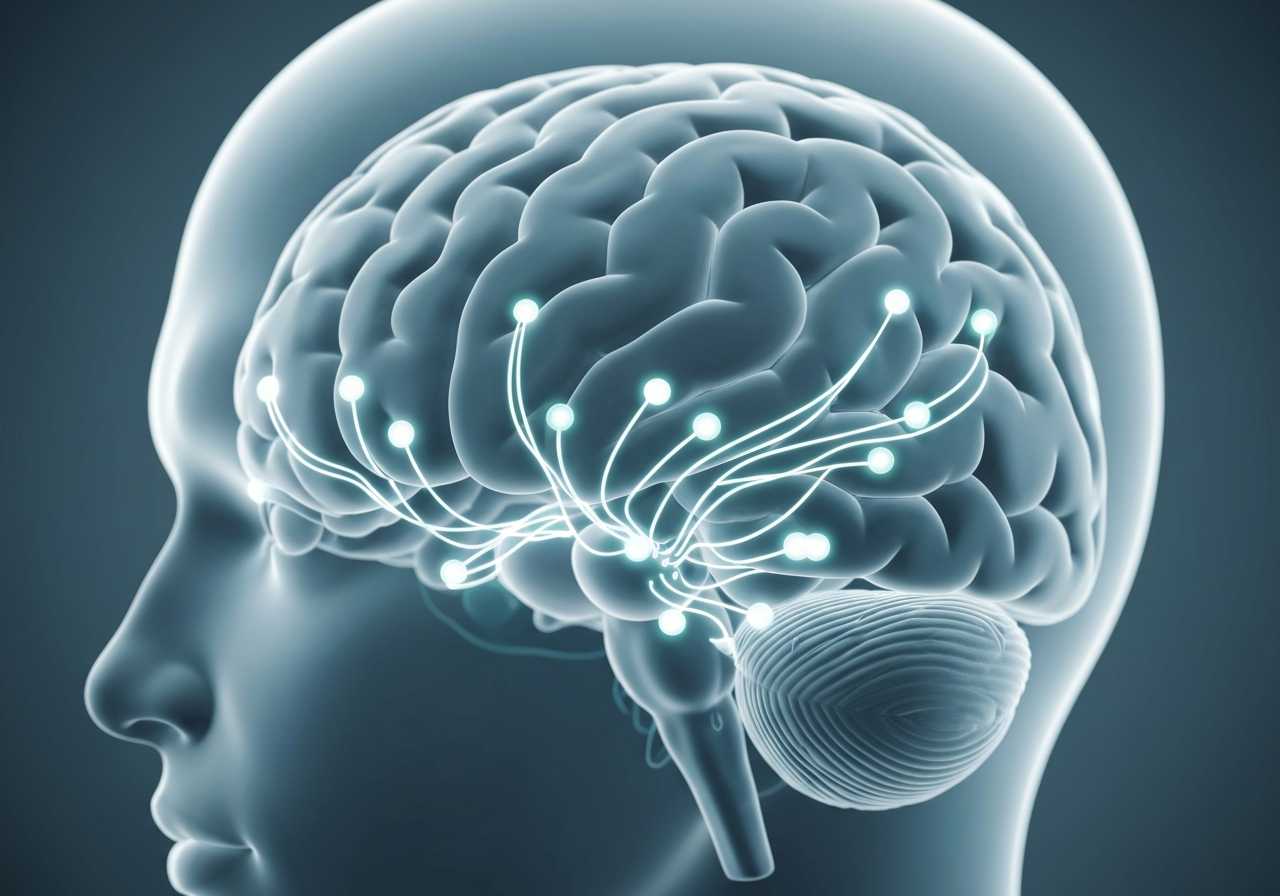
Oxycodone forces your brain to release massive amounts of dopamine, which is the chemical linked to pleasure. Over time, your brain gets used to this flood. It starts making less dopamine on its own. This leads to a physical need for the drug just to feel “normal.” This neuroadaptation is exactly why cravings start and why quitting often leads to harsh withdrawal.
2. Immediate Relief and Euphoria
The quick way it kills pain—and the “high” that often follows—creates a loop in your brain. For many, that escape from physical pain or emotional stress is very tempting. It motivates people to keep using it, sometimes long after an injury has healed.
3. Psychological and Emotional Factors
Addiction is rarely just physical. If you are dealing with anxiety, depression, or past trauma, you are at higher risk. Many people use oxycodone to “numb” these feelings. It is an attempt to self-medicate, but it often traps you in an addiction cycle that needs professional therapy to break.
Factors Contributing to Oxycodone Addiction
Addiction is complex. It involves your biology, your surroundings, and your choices.
1. Prescription Medication Misuse
The road to addiction often begins with using a prescription the wrong way. This includes taking more than directed, crushing pills to snort or inject them, or mixing the medicine with alcohol or other drugs.
2. Physical Dependence
Your body is smart—it adapts. Over time, you build a tolerance, meaning you need more of the drug to get the same relief. As you take higher doses, the chance of developing a full substance use disorder goes way up.
3. Genetic Predisposition
Wait—that is not the whole story. Genetics play a big role too. Some people have brain chemistry that is naturally more reactive to the dopamine-triggering effects of opioids. If this runs in your family, you might be more vulnerable.
4. Environmental Influences
Your environment matters. High stress, friends who use substances, or having easy access to leftover pills in a medicine cabinet create a space where experimental use can quickly turn into a chronic problem. According to recent data, 984,000 Americans reported misusing oxycodone in the past year, which proves this is a widespread public health crisis.
Signs and Symptoms of Oxycodone Addiction
Seeing the warning signs early is vital. Watch for these behavioral markers:
- Doctor Shopping: Going to different doctors to get multiple prescriptions.
- Prescription Forgery: Falsifying documents to obtain more pills.
- Neglect: Skipping work, school, or family time.
- Increased Tolerance: Needing higher doses to get the same feeling.
- Withdrawal: Getting sick—sweating, nausea, muscle aches—when the drug wears off.
The Dangers of Oxycodone Addiction
The risks are severe. Respiratory depression is a major danger, as it can lead to a fatal overdose. Long-term misuse also causes chronic constipation, hormonal issues, and a weakened immune system. In 2021, prescription opioids were involved in about 21% of all opioid-related overdose deaths.
Treatment Options for Oxycodone Addiction
Recovery is possible through a multi-modal approach. As one expert noted, treating addiction requires looking at the whole person, not just the physical dependence.
1. Detoxification
Detox is the first step. It is a medically supervised process of clearing the drug from your body. Doctors manage this carefully to help you through the uncomfortable withdrawal phase.
2. Behavioral Therapies
Cognitive-Behavioral Therapy (CBT) and Motivational Interviewing are standard treatments. They help you spot your triggers, change negative thought patterns, and build healthier ways to cope with life’s challenges.
3. Medication-Assisted Treatment (MAT)
MAT is often considered the gold standard. Using medications like buprenorphine or methadone helps balance your brain chemistry and stops cravings. This lets you focus on counseling and long-term recovery.
Prevention of Oxycodone Addiction
To stop this, we need a team effort:
- Responsible Medication Use: Always follow doctor instructions and never share your pills.
- Education and Awareness: Campaigns help lower the stigma and teach people about the dangers of misuse.
- Alternative Pain Management: Doctors are now turning more toward physical therapy, acupuncture, and non-opioid medications to manage pain safely.
If you or someone you know is struggling, reach out for professional help today. Recovery is not easy, but you don’t have to do it alone.
References
Addiction Help. (2025). Oxycodone Statistics. https://www.addictionhelp.com/oxycodone/statistics/
DrugAbuseStatistics.org. (2025). Substance Abuse and Addiction Statistics. https://drugabusestatistics.org
Food and Drug Administration. (2024). Information about Medication-Assisted Treatment (MAT). https://www.fda.gov/drugs/information-drug-class/information-about-medication-assisted-treatment-mat
DrugDetoxAndRehab.com. (n.d.). Why do people get addicted to vicodin. https://drugdetoxandrehab.com/why-do-people-get-addicted-to-vicodin/
DrugDetoxAndRehab.com. (n.d.). What are some evidence-based interventions for substance abuse. https://drugdetoxandrehab.com/what-are-some-evidence-based-interventions-for-substance-abuse/
DrugDetoxAndRehab.com. (n.d.). Doxycycline mood side effects. https://drugdetoxandrehab.com/doxycycline-mood-side-effects/
DrugDetoxAndRehab.com. (n.d.). Understanding how a parents substance abuse can impact child custody decisions. https://drugdetoxandrehab.com/understanding-how-a-parents-substance-abuse-can-impact-child-custody-decisions/
DrugDetoxAndRehab.com. (n.d.). How are addiction and mental health conditions related. https://drugdetoxandrehab.com/how-are-addiction-and-mental-health-conditions-related/
DrugDetoxAndRehab.com. (n.d.). Oxycodone. https://drugdetoxandrehab.com/oxycodone/
DrugDetoxAndRehab.com. (n.d.). How long does it take to detox from heroin. https://drugdetoxandrehab.com/how-long-does-it-take-to-detox-from-heroin/