
PCP addiction—also known as phencyclidine use disorder—involves complex brain changes, severe behavioral health risks, and a challenging recovery process. Understanding the mechanisms of this disorder is essential for anyone seeking to support a loved one or reclaim their own life from the grip of this powerful substance. By focusing on the neurobiological, psychological, and social factors involved, we can better appreciate the health hazards and the long-term, evidence-based pathways toward sustainable sobriety.
The Reality of PCP Addiction
Why do some individuals become trapped in the cycle of PCP addiction? Phencyclidine, a potent synthetic substance, has gained significant clinical attention due to its highly addictive nature and the heavy toll it takes on the central nervous system. Grasping the mechanisms behind this dependence is vital to help you or a loved one find a path to health. While recent national surveillance often focuses on opioid and stimulant crises, PCP remains a significant clinical concern. Approximately 6.1 million people aged 12 and older in the U.S. have reported lifetime use of the substance, highlighting a persistent public health challenge [https://drugabuse.com/drugs/hallucinogens/pcp/history-statistics/].
Defining PCP and Its Origins
PCP was first synthesized in the 1950s as a medical anesthetic. But, due to severe side effects—including intense hallucinations and unpredictable agitation—its medical use was abandoned. It is currently classified as a Schedule II controlled substance. The drug usually appears as a white powder that can be dissolved, snorted, or added to items like tobacco or cannabis for smoking [https://www.serenityknolls.com/addiction/pcp/causes-effects/]. By disrupting critical brain pathways, PCP creates a deep dissociative state, leading to distorted perceptions and a hazardous mental state.
The Chemical Composition of PCP
PCP is a synthetic dissociative anesthetic. Its chemical structure, which includes components such as cyclohexanone and piperidine, dictates how it interacts with the human nervous system. Unlike traditional psychedelics, PCP acts as an NMDA receptor antagonist. By binding to these receptors, it effectively blocks the normal transmission of chemical signals in the brain. This process is a primary driver of its addictive profile, as chronic use forces the brain to adapt to these major signaling shifts, often leading to severe behavioral disturbances [https://thenestledrecovery.com/rehab-blog/pcp-addiction/].
How PCP Affects Brain Function
Phencyclidine fundamentally alters brain chemistry by interfering with key neurotransmitters, including dopamine, glutamate, and serotonin. By blocking the NMDA receptor, it halts glutamate activity—a mechanism essential for memory and learning. Simultaneously, it triggers a spike in dopamine levels within the brain’s reward centers, creating the intense, synthetic euphoria that encourages repeated use [https://drugabuse.com/drugs/hallucinogens/pcp/].
Over time, chronic use may lead to a “neurotransmitter switch,” where the brain shifts from sending excitatory signals to inhibitory ones. This shift results in persistent cognitive deficits, memory loss, and poor executive function, which can be difficult to reverse without specialized support [https://today.ucsd.edu/story/cognitive-deficits-from-meth-and-pcp-use-are-generated-by-a-common-neurotransmitter-switch].
Neurological and Physical Effects
The consequences of PCP—sometimes referred to as “angel dust”—are systemic and severe. Because it is highly fat-soluble, the drug can stay in the body for long periods, with a half-life of about three days. This means its neurotoxic effects often persist long after the last dose [https://pmc.ncbi.nlm.nih.gov/articles/PMC2859735/]. Clinical evidence links chronic use to:
- Persistent psychosis and paranoid delusions.
- Severe muscle rigidity and potential seizures.
- Disorientation, dangerous lapses in judgment, and impulsive, self-injurious behavior.
- Long-term cognitive decline and memory impairment [https://www.serenityknolls.com/addiction/pcp/causes-effects/].
Motivations Behind PCP Use
Understanding the “why” behind PCP use is essential for tailoring treatment plans. Motivations are often multifaceted, ranging from a search for sensory novelty to using the substance as a maladaptive coping mechanism for underlying trauma or stress.
Euphoric Effects and Dissociation
Many users are initially drawn to the rapid euphoria and the sense of detachment from the body that PCP provides. This dissociative state allows some individuals to “numb” psychological pain, providing a temporary, albeit dangerous, escape from emotional distress [https://whitelightbh.com/resources/drug-addiction/phencyclidine/]. However, what starts as an escape can quickly devolve into terrifying hallucinations, panic, and unpredictable aggression.
Social Dynamics and Peer Influence
The social environment plays a large role in the initiation of PCP use. Peer pressure and the desire to integrate into groups where substance use is normalized can lead people to experiment. Once dependence develops, these same social influences can make recovery more difficult, as an individual may feel isolated from their established social circles when attempting to quit [https://thenestledrecovery.com/rehab-blog/pcp-addiction/].
Self-Medication as a Coping Strategy
Many individuals turn to PCP to self-medicate for co-occurring mental health issues, such as anxiety or depression. By creating a temporary disconnect from one’s thoughts, the drug may briefly mask emotional suffering. Unfortunately, this creates a precarious loop; the subsequent physical and mental fallout of chronic use almost always makes the original mental health conditions worse, requiring comprehensive, dual-diagnosis treatment [https://betteraddictioncare.com/addiction/drugs/pcp/].
Why Does PCP Addiction Develop?
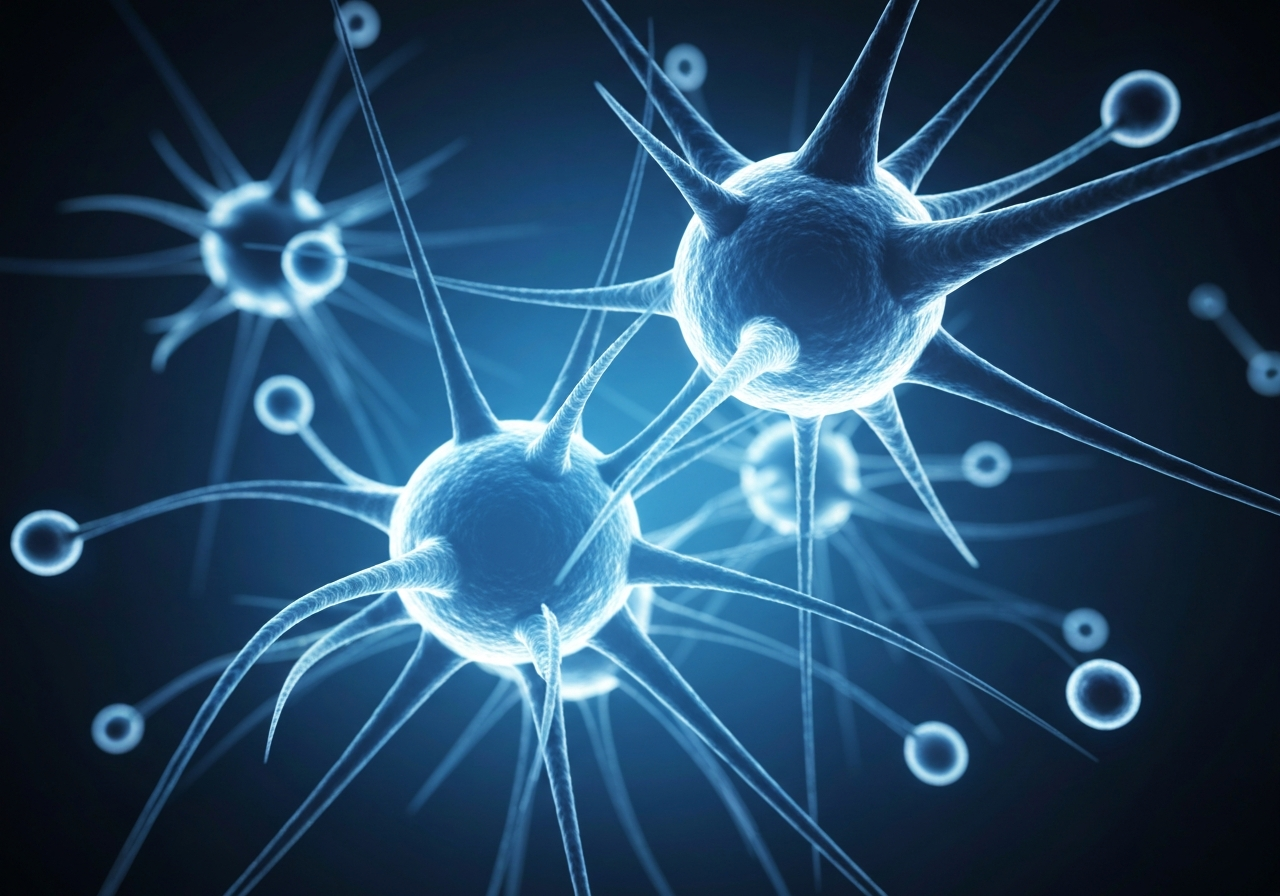
Addiction to PCP develops through a combination of physical dependence and psychological conditioning. As the brain adapts to the regular presence of the drug, the physiological and psychological mechanisms of addiction take hold.
Chemical Dependence and Tolerance
Chemical dependence occurs as the brain adapts to constant exposure by changing its receptor sensitivity. Users frequently develop tolerance, requiring larger doses to achieve the same dissociative effect. This escalation exponentially increases the risk of cardiovascular stress, respiratory depression, and even coma. Stopping suddenly after heavy use often triggers acute withdrawal symptoms, such as intense cravings or profound depression, which can manifest within 24 hours [https://americanaddictioncenters.org/pcp-abuse].
Psychological Cravings and Behavioral Reinforcement
Beyond physical reliance, psychological addiction is driven by the brain’s hijacked reward system. The intense dopamine surges associated with PCP create a powerful behavioral reinforcement loop. Users may become preoccupied with obtaining and using the substance, often ignoring personal responsibilities and health. Because these psychological cravings often outlast physical withdrawal, long-term behavioral therapy is a critical component of any effective treatment plan [https://www.gatewayfoundation.org/what-we-treat/drug-abuse-treatment/pcp-angel-dust-addiction/].
Health Risks and Side Effects of PCP Addiction
The impact of long-term PCP addiction is systemic, damaging both physical health and psychological stability. Chronic abuse is frequently linked to muscle wasting, tremors, and severe respiratory issues. Neurologically, the persistent disruption of signaling pathways leaves individuals vulnerable to permanent cognitive impairment, including reduced attention spans and impaired executive function. Furthermore, the risk of developing a permanent psychotic disorder—characterized by persistent paranoia and delusions—remains significantly higher for long-term users, even during extended periods of sobriety [https://www.poconomountainrecoverycenter.com/addiction/pcp/signs-symptoms/].
Treating PCP Addiction
Effective treatment for PCP addiction requires a multi-modal approach that addresses the physical, psychological, and social dimensions of the disorder.
Medical Detoxification and Professional Support
The initial phase of recovery is usually a medically supervised detox. Because withdrawal may involve severe agitation, confusion, or even seizures, clinical oversight is non-negotiable for safety. Medical teams provide the necessary support to manage withdrawal symptoms, helping to stabilize the individual before they transition into comprehensive behavioral therapy. As clinical experts note, stabilization is the essential foundation for all further healing [https://www.brightpoint-md.com/addictions/treatment-of-pcp-overdose/].
Behavioral Therapies
Behavioral therapies are the cornerstone of long-term recovery. Cognitive-Behavioral Therapy (CBT) is particularly effective for PCP addiction because it helps patients identify and challenge the negative thought patterns that drive drug-seeking behavior. Through CBT, individuals learn practical, healthy ways to manage stress and handle social triggers. Other methods, such as Contingency Management and Motivational Interviewing, are also employed to reinforce the benefits of sustained sobriety [https://www.serenityknolls.com/addiction/pcp/causes-effects/].
Aftercare and Peer Support Groups
Recovery is a lifelong process that extends well beyond the initial detoxification phase. Joining support groups—such as Narcotics Anonymous or SMART Recovery—provides a sense of community and essential encouragement. Aftercare programs, including sober living arrangements, ongoing individual therapy, and family counseling, help individuals transition back to daily life while maintaining the skills needed to prevent relapse. By combining professional treatment with a consistent support network, it is possible to break the cycle of PCP addiction and reclaim your health [https://betteraddictioncare.com/addiction/drugs/pcp/].
If you or someone you know is struggling with PCP use, reaching out for professional help is the most important step toward healing. You do not have to face this challenge alone. Contact a local recovery center or a qualified healthcare provider today to begin your journey toward a balanced, sober life.
References
American Addiction Centers. (2025). PCP Addiction, Effects, and Treatment. https://americanaddictioncenters.org/pcp-abuse
Better Addiction Care. (2025). Phencyclidine Addiction: Definition, Causes, Signs, Effects, and Treatment. https://betteraddictioncare.com/addiction/drugs/pcp/
Bright Point MD. (2025). Most Effective Treatment of PCP Overdose. https://www.brightpoint-md.com/addictions/treatment-of-pcp-overdose/
DrugAbuse.com. (2025). PCP Abuse Symptoms, Signs, and Addiction Treatment. https://drugabuse.com/drugs/hallucinogens/pcp/
Gateway Foundation. (2025). Angel Dust Addiction Treatment & Rehab. https://www.gatewayfoundation.org/what-we-treat/drug-abuse-treatment/pcp-angel-dust-addiction/
Pocono Mountain Recovery Center. (2025). PCP Addiction Signs & Symptoms. https://www.poconomountainrecoverycenter.com/addiction/pcp/signs-symptoms/
PMC. (2010). Phencyclidine Intoxication and Adverse Effects: A Clinical Review. https://pmc.ncbi.nlm.nih.gov/articles/PMC2859735/
Serenity Knolls. (2025). Signs & Symptoms of PCP Dependence. https://www.serenityknolls.com/addiction/pcp/causes-effects/
The Nestled Recovery. (2025). PCP Addiction: Symptoms, Causes, Effects, and Treatment. https://thenestledrecovery.com/rehab-blog/pcp-addiction/
University of California San Diego. (2024). Cognitive Deficits from Meth and PCP Use Are Generated By a Common Neurotransmitter Switch. https://today.ucsd.edu/story/cognitive-deficits-from-meth-and-pcp-use-are-generated-by-a-common-neurotransmitter-switch
White Light Behavioral Health. (2024). Phencyclidine (PCP) Addiction: Signs, Causes, Effects. https://whitelightbh.com/resources/drug-addiction/phencyclidine/