Discover the complex addiction and mental health relationship. Learn about dual diagnosis, co-occurring disorders, and integrated treatment for better care.
Unpacking the Core Addiction and Mental Health Relationship
When someone faces the challenging job of managing a substance use disorder (SUD) along with a psychiatric condition, which is the specialty of a dual diagnosis treatment center, the path to healing is complex. Understanding the addiction and mental health relationship matters deeply for medical pros, patients, and their families alike.
In my experience, these two health areas used to be treated as completely separate things. That old method often created a broken recovery path, leaving patients wide open to relapse. Actually, scratch that—it didn’t just leave them open to relapse; it practically guaranteed it. Today, we know the link between mental illness and substance abuse works both ways. Each condition can strongly trigger, worsen, or completely mask the other.
Why are these two struggles so tightly woven together? The connection basically comes down to three main overlapping factors:
- Brain Chemistry
- Genetic Vulnerabilities
- Environmental Triggers
Let’s break them down.
1. Brain Chemistry: Both addiction and mental illness fundamentally change the brain’s reward system. Drugs like alcohol, opioids, and stimulants flood the brain with dopamine—the chemical that controls pleasure and drive. Over time, your brain loses its natural ability to make and balance dopamine on its own. For someone already fighting depression or anxiety, using substances feels like a quick fix at first. But it eventually makes the chemical shortage much worse, locking the addiction and mental health connection firmly into place.
2. Genetic Vulnerabilities: Family history heavily influences the addiction and mental health relationship. Scientific research shows that genetics account for roughly 40% to 60% of a person’s risk for a substance use disorder. Many of these same gene clusters also show up in severe mental health struggles like schizophrenia, bipolar disorder, and major depressive disorder.
3. Environmental Triggers: Trauma, long-term stress, and tough childhood experiences are massive catalysts. People who survive severe trauma often develop post-traumatic stress disorder (PTSD). In a desperate search to numb out the emotional pain, they might turn to drugs or alcohol to self-medicate. This habit permanently bonds the addiction and mental health relationship.
Decoding Dual Diagnosis and Co-Occurring Disorders
A “dual diagnosis” happens when someone has both a medical mental health disorder and a substance use disorder. Grasping the details of this diagnosis is key to understanding the addiction and mental health relationship.
The biggest hurdle with a dual diagnosis is that the symptoms overlap. It gets incredibly hard to tell where the mental illness stops and the addiction starts. You’ve probably seen this too if you’ve ever watched a loved one struggle. Is someone feeling totally drained and hopeless because of severe depression, or are they just going through withdrawal from a stimulant? Is their paranoia a sign of schizophrenia, or is it a substance-induced panic caused by heavy drug use? Sorting out these mixed signals requires very careful, thorough psychiatric checks.
Common Co-Occurring Disorders
We frequently see specific pairings when we investigate the link between mental health and substance abuse:
- Depression and Alcohol: Alcohol slows down the central nervous system. It might temporarily numb sadness or calm social fears, but heavy drinking eventually drains serotonin levels. This makes long-term depression much worse and raises the risk of suicidal thoughts.
- Anxiety Disorders and Benzodiazepines/Opioids: People dealing with severe anxiety or panic attacks often get prescriptions to calm their nerves. Sadly, these drugs are highly addictive. They can quickly cause a chemical dependency, creating a brutal cycle where the anxiety spikes massively during withdrawal.
- Schizophrenia and Marijuana/Nicotine: Clinical studies show a profound link between substance abuse and mental health in people with schizophrenia. Many patients use heavy amounts of marijuana or nicotine to handle the tough side effects of their meds or to cope with scary auditory hallucinations. This happens even though clear evidence shows that high-THC cannabis can trigger psychotic episodes.
The Numbers: Statistics on the Addiction and Mental Health Relationship

To really grasp how huge the addiction and mental health relationship is, we need to look at the numbers. The recent data on co-occurring disorders paints a stark picture. It highlights a widespread public health crisis that demands immediate attention.
According to the Substance Abuse and Mental Health Services Administration (SAMHSA), about 21.2 million adults in the United States currently live with a co-occurring mental illness and substance use disorder. Looking closer at 2023 data from the National Center for Drug Abuse Statistics (NCDAS), 20.4 million adults (about 7.9% of all adults) had a mental illness mixed with at least one substance use disorder. Plus, 6.8 million adults dealt with a serious mental illness combined with active substance abuse.
This crisis isn’t just for adults. The same NCDAS reports show that 856,000 teens (3.3% of all U.S. youth) struggled with both a substance use disorder and a major depressive episode in the past year. Recently, behavioral experts have also started looking at the link between internet addiction and mental health in teens. High screen time, social media obsession, and gaming habits look a lot like chemical dependencies. They line up closely with soaring rates of teenage anxiety, depression, and loneliness.
Besides, substance use rates among people already facing mental health challenges are incredibly high. Around 51.9% of adults with a serious mental illness, and 42.4% of those with any mental illness, admitted to using illegal drugs in 2023. This emphasizes the urgent need for comprehensive care.
The Treatment Gap: Why So Many Suffer in Silence
Even though the addiction and mental health relationship is incredibly clear, huge gaps in treatment still block people from lasting recovery. The old healthcare system split mental health care and addiction treatment into two completely different worlds. This left vulnerable people to figure out a confusing, broken system entirely on their own.
Research from The Pew Charitable Trusts points out this severe system failure: only 10% of adults with co-occurring disorders actually get treated for both conditions. Shockingly, 42% of adults with co-occurring disorders get zero treatment for either issue. Even among those who do try to get professional help, 37.6% receive no specialized care for their complex dual diagnosis needs.
“You cannot heal a person in fractions. True recovery demands that we address both the psychological pain and the chemical dependency simultaneously, with equal parts science and compassion.” — Dr. Nora Volkow, Director of NIDA
These massive gaps in care show exactly why understanding the addiction and mental health relationship is crucial for changing healthcare. Treating just the substance abuse almost always leads to relapse, because the deep emotional pain stays hidden and active. But, treating only the mental illness rarely works if the person keeps self-medicating with street drugs that mess up their brain chemistry and block their psychiatric meds.
Integrated Treatment Approaches: Bridging the Gap
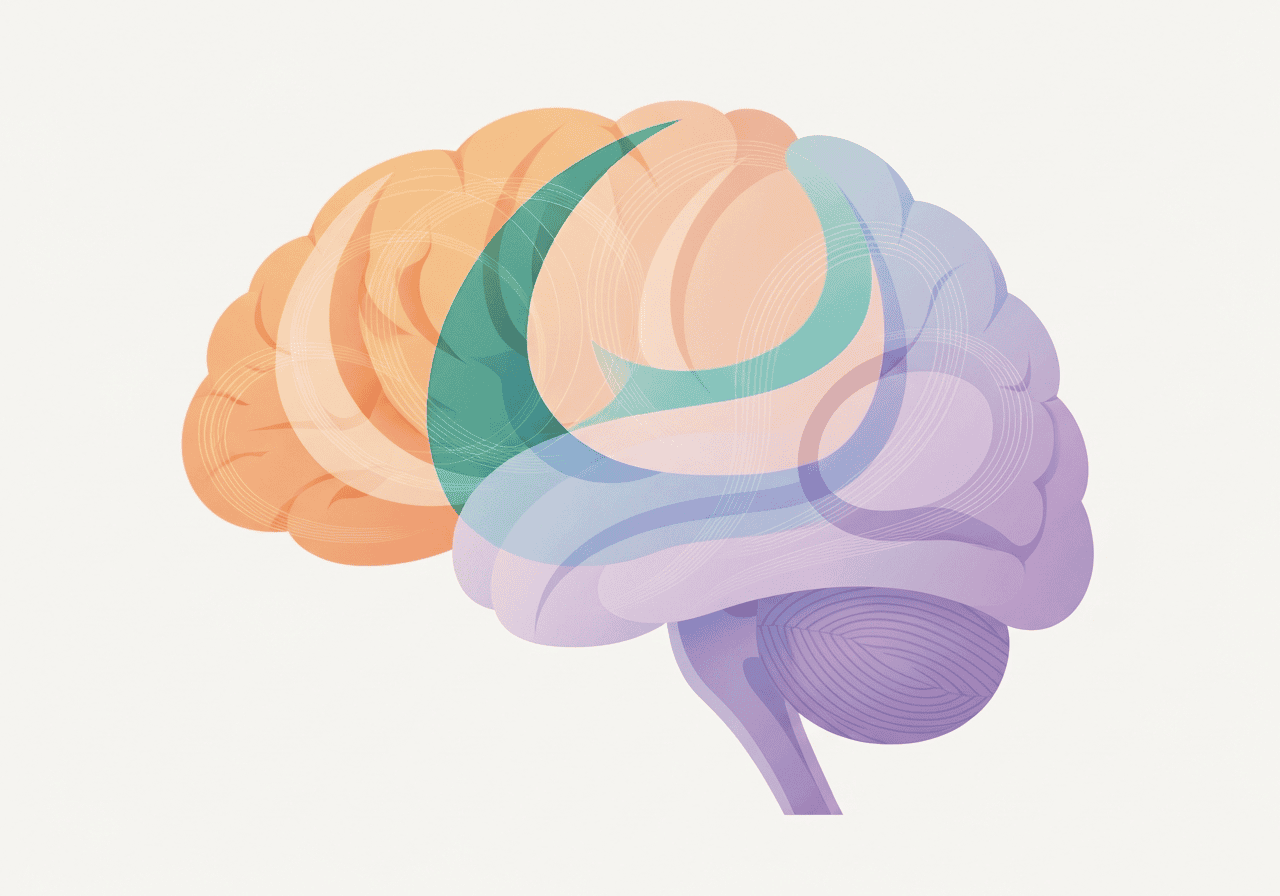
Because the addiction and mental health relationship is so tightly bound, the best, science-backed fix is Integrated Treatment. Integrated care is a forward-thinking method that tackles both the mental illness and the substance use disorder at the exact same time, under one coordinated roof. A single team of cross-trained medical and psychiatric pros usually handles this.
Why Integrated Care is Superior
Research strongly proves that integrated treatment delivers better, longer-lasting results than keeping treatments separate. Focusing holistically on the addiction and mental health connection allows integrated programs to:
- Create unified, custom plans that handle all psychiatric and behavioral symptoms at once.
- Use proven methods like Cognitive Behavioral Therapy (CBT) and Dialectical Behavior Therapy (DBT) to teach real-world coping skills for both emotional triggers and drug cravings.
- Manage medicines safely and effectively. This makes sure psychiatric prescriptions do not clash with addiction recovery plans (like Medication-Assisted Treatment, or MAT).
- Greatly lower the chance of chronic relapse by building a full, multi-layered support network that never ignores one sickness just to treat the other.
As more people and doctors wake up to the reality of the addiction and mental health relationship, the healthcare system is finally growing to support it. The U.S. mental health and addiction treatment centers market hit $143.62 billion in 2024. Experts think it will jump to an amazing $408.12 billion by 2033. This huge financial and structural growth marks a major societal shift. The industry is finally expanding integrated care centers, increasing patient access through Medicaid, and creating highly specialized clinical programs that can safely handle tricky dual diagnoses.
To Conclude
The addiction and mental health relationship is an undeniably complex, ongoing loop. Left untreated, each condition amplifies the severity of the other. Whether you’re looking at the clear substance abuse and mental health correlation in adults fighting severe depression and heavy drinking, or checking out the newer link between internet addiction and mental health in teens, the final answer is always the exact same. Holistic, integrated care is absolutely non-negotiable.
Breaking this brutal cycle means actively tearing down social stigma, quickly opening up access to dual-diagnosis centers, and treating the whole human being instead of just isolating their symptoms. By comprehensively and compassionately treating the addiction and mental health relationship as one unified issue, people finally get a real, lasting path toward lifelong health and recovery.
For more mental health resources, visit our blog.
References
Substance Abuse and Mental Health Services Administration. (2024). Co-Occurring Disorders and Other Health Conditions. https://www.samhsa.gov/substance-use/treatment/co-occurring-disorders
National Center for Drug Abuse Statistics. (2025). Substance Abuse and Addiction Statistics. https://drugabusestatistics.org
The Pew Charitable Trusts. (2023). More Than 1 in 9 Adults With Co-Occurring Mental Illness and Substance Use Disorders Arrested Annually. https://www.pew.org/en/research-and-analysis/issue-briefs/2023/02/over-1-in-9-people-with-co-occurring-mental-illness-and-substance-use-disorders-arrested-annually
GlobeNewswire. (2025). U.S. Mental Health and Addiction Treatment Centers Market Trends Analysis Report. https://www.globenewswire.com/news-release/2025/09/23/3154474/28124/en/U-S-Mental-Health-and-Addiction-Treatment-Centers-Market-Trends-Analysis-Report-2025-2033-Opportunities-in-Integrating-Behavioral-Health-Into-Primary-Care-and-Developing-Dual-diagn.html